
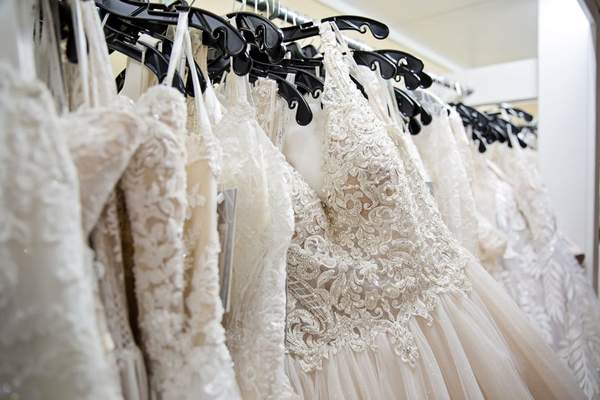
Wedding dress shopping can stretch across much of the planning year. The gown itself may take months to produce, and that is before hemming, bodice adjustments, bustle work or final pressing. A comfortable wedding dress shopping timeline works backward from the wedding date, leaving room for delivery and alterations instead of treating the purchase as a single appointment.
For many brides, beginning about 10 to 12 months before the wedding gives the widest choice and the least pressure. A shorter engagement can still work, but you may need designers with faster delivery, ready-to-wear gowns, sample dresses or retailers that can confirm stock and alteration capacity.
10 to 12 Months Before: Start Shopping With a Clear Brief
Use the first stage to decide what you need from the dress. Set a realistic budget that includes alterations, shoes, undergarments, a veil or other accessories. Then research bridal shops and book appointments. Popular salons and weekend slots can fill well in advance.
At appointments, try silhouettes you did not expect to like as well as the styles already saved on your phone. Sample gowns are designed for trying on, so the fit will rarely be exact. Focus on shape, fabric, structure, comfort, movement and how the dress feels when you sit, walk and raise your arms.
If you are wondering when to buy a wedding dress, the useful answer is not a single universal month. Ask each salon for the production estimate for the specific designer and gown you are considering. Lead times vary, and custom changes can add time.
8 to 10 Months Before: Place the Order and Confirm the Details
Once you have chosen the gown, review the order carefully before paying the deposit. Confirm the designer, style, colour, ordered size, requested customisations, estimated arrival window and payment terms. Bridal sizing often differs from everyday clothing sizes, so the salon should recommend an order size based on measurements and the designer’s chart rather than the number you usually wear.
This is also the point to ask how the salon handles wedding dress alterations. Some have an in-house alterations team; others refer clients to independent bridal seamstresses. Knowing that early helps you reserve an appointment before the busiest part of wedding season.
4 to 6 Months Before: Prepare for the Fitting Stage
While the gown is being made or delivered, use the middle of your dress shopping schedule to settle the items that affect fit. Choose your wedding shoes, or at least a pair with the same heel height, because the hem depends on the height you will wear on the day. Finalise any bra, shapewear or other foundation garments before alterations begin.
This is also a sensible time to choose a veil, jewellery and other accessories. Seeing them with the gown during later fittings can reveal whether proportions or neckline details need adjusting. Related planning topics include a wedding-day accessories checklist, a bridal shoe guide and a full wedding planning timeline.
8 to 12 Weeks Before: Begin Wedding Dress Alterations
A common bridal fitting timeline starts roughly two to three months before the wedding. At the first fitting, the seamstress assesses the bodice, straps, waist, length and any structural changes. Bring the exact shoes and undergarments you expect to wear, because even small differences can change where a hem or neckline should sit.
First Fitting: Establish the Fit
Expect pinning rather than a finished result. Walk, sit and turn in the gown, and mention any pulling, slipping or restriction. If you want a bustle, discuss it now so the seamstress can choose a method that works with the train and fabric.
Second Fitting: Refine the Alterations
The second fitting often falls around four to six weeks before the wedding. Major adjustments should now be visible, allowing the seamstress to refine the fit. Bring your accessories again and check the dress from every angle. If someone will help bustle the train, ask when that person should attend for a demonstration.
Final Fitting: Check Every Detail
The final fitting is commonly scheduled about one to two weeks before the wedding. The dress should fit correctly, with only small tweaks remaining. Test the bustle, sit down, walk normally and make sure you can move comfortably. If permitted, take a short video of the bustle instructions so your helper does not have to remember several hidden loops or buttons.
One Week Before: Collection and Safe Storage
When you collect the finished gown, confirm that alterations are complete and ask how it should be stored, transported and steamed. Keep it in a suitable garment bag and follow the salon’s fabric-specific care advice. Delicate lace, beading and some fabrics can be damaged by careless heat.
If you are travelling for the wedding, build transport into the timeline. Ask your airline or venue about garment handling, and avoid scheduling collection so late that one travel delay creates a crisis.
What If You Are Starting Late?
A compressed timeline needs different shopping choices, not panic. Tell every boutique your wedding date before the appointment. Ask about off-the-rack gowns, samples, in-stock dresses and realistic rush-order options. At the same time, contact an alterations specialist and confirm availability before committing to a gown that needs significant work.
For example, a bride shopping four months before her wedding may find a sample gown that fits closely through the bodice. If she secures a seamstress immediately, chooses shoes that week and begins fittings as soon as the dress is available, the schedule can still be manageable. The key is reducing uncertain lead time rather than squeezing a standard made-to-order process into too few weeks.
Frequently Asked Questions
When should I start wedding dress shopping?
Starting around 10 to 12 months before the wedding is a comfortable target for many brides, especially when ordering a made-to-order gown. If your wedding is sooner, ask retailers about available stock, samples and faster delivery options.
How long before the wedding should I order my dress?
Many shoppers aim to place the order about eight to 10 months before the wedding, but the correct timing depends on the designer’s current production estimate. Always confirm the expected arrival date before ordering.
When should wedding dress alterations begin?
Plan the first alterations appointment roughly eight to 12 weeks before the wedding unless your seamstress recommends otherwise. Complex changes, detailed embellishment or a busy alterations calendar may require more time.
How close to the wedding should the final fitting be?
A final fitting about one to two weeks before the wedding is common. It keeps the fit close to the wedding date while leaving a small window for minor corrections.
Build Buffer Into the Dress Timeline
The best wedding dress timeline is not about hitting one perfect purchase date. It is about protecting the stages that cannot be rushed: ordering, delivery, alterations and final checks. Start early when you can, verify lead times for the exact gown you choose, and reserve fittings before the calendar becomes crowded. With those buffers in place, collecting the dress becomes an enjoyable milestone rather than another deadline.