
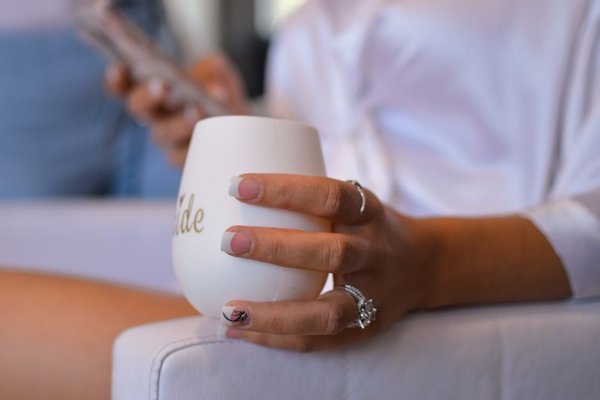
Your hands take centre stage more than you might expect on your wedding day: exchanging rings, holding flowers, signing the register and posing for photographs. Getting your nails done at the right moment means they look fresh without adding stress to the morning itself. Bridal manicure timing depends on the finish you choose, your natural nails and how much wedding preparation is still on your calendar.
How many days before the wedding should you get your nails done?
For most brides, one to three days before the wedding is a sensible window. Gel polish is often booked two or three days ahead, while traditional nail varnish generally looks its freshest when applied the day before. Builder gel, often called BIAB in UK salons, can also be finished a few days before the ceremony.
These are guidelines, not guarantees. Leave a little room for a chipped nail, an intricate design or an unexpected appointment change. If you have never tried a particular treatment, test it well before the wedding rather than risking a surprise.
Match your appointment to your nail treatment
Gel polish: one to three days before
Gel polish is cured under an appropriate lamp rather than left to air-dry like regular varnish. It is a practical option for wedding photographs and celebrations across several days. However, nails still grow and gel can chip or lift. Scheduling gel nails for your wedding shortly beforehand gives you a fresh-looking finish and some time to arrange a correction.
BIAB bridal nails: two to four days before
BIAB stands for Builder In A Bottle, a term commonly used for a brush-on builder-gel service. It can provide added structure over natural nails, although the exact product and technique vary between salons. Ask whether you need a new overlay, an infill or a colour finish; these are not necessarily the same appointment.
If you regularly wear builder gel, organise your maintenance cycle around the wedding date. If BIAB bridal nails are unfamiliar, trial them several weeks earlier to check their thickness, shape and everyday comfort. Builder gel cannot instantly repair unhealthy or badly damaged nails.
Regular polish: ideally the day before
Traditional nail varnish is easy to change and needs no curing lamp. The drawback is its vulnerability to smudges and chips, particularly when packing or assembling decorations. Book it once practical jobs are finished, allow plenty of drying time and avoid treating a quick-dry top coat as instant protection against knocks.
Extensions and nail art: plan an earlier trial
Extensions, sculpted shapes and detailed French tips take longer than a simple colour application. A final appointment around two or three days before may work, but discuss timing with your technician. Try unfamiliar lengths in advance: fastening jewellery, handling dress buttons and picking up small objects can feel different with long nails.
How early should you reserve your bridal nail appointment?
Booking a slot is different from having the treatment. Enquire four to eight weeks before your wedding, or earlier for a busy summer Saturday, bank-holiday weekend or popular nail artist. Confirm how long the service takes, whether existing product removal is included and if detailed nail art needs extra time.
For a new shape, colour or system, arrange a trial roughly four to eight weeks beforehand. Photograph the nails in daylight beside your dress fabric or jewellery and see how they wear in real life. A successful trial can help with style decisions, although it cannot rule out a future product allergy.
Prepare your hands in the weeks beforehand
Four to six weeks out
Choose a practical nail length and begin regular hand moisturising. If your nails are splitting or peeling, discuss realistic options with a trained technician rather than repeatedly filing them or covering damage. Add the trial and final appointment to your wider wedding beauty preparation schedule so they do not clash with fittings.
One to two weeks out
Try to complete cleaning, DIY decorations and other rough work early. Wear appropriate household gloves when using cleaning products. Check that the salon has your design reference and knows whether your current manicure requires removal. Never peel off old gel or builder products.
After the final appointment
Finish packing before getting your manicure if possible. Apply cuticle oil or hand moisturiser, avoid using nails to open packaging and ask for help with fiddly tasks. If having a pedicure too, consider scheduling it first so handling shoes and foot-care products does not disturb your freshly polished hands.
Build a repair buffer into your wedding nails timing
Imagine a Saturday wedding. Thursday afternoon is a reasonable slot for gel or BIAB: you can finish most packing first and still have Friday available for a minor repair. If you prefer regular polish, Friday is likely the better choice, with ample time for it to harden before the evening.
Ask your technician what happens if a nail chips or an extension lifts. Take a photograph of the finished set so any repair matches. With ordinary polish, keeping the exact colour may make a small touch-up easier. For gel or builder products, contact a professional rather than trying to glue down lifted material yourself.
One important safety check before choosing gel or BIAB
Gel polish, builder gel and many other enhancement products contain acrylate-related ingredients that may cause allergic contact dermatitis. The British Association of Dermatologists warns that uncured products touching the skin and incorrect curing can increase the risk. Choose a properly trained technician using appropriate products and equipment, and disclose previous reactions.
If itching, redness, swelling or nail lifting develops after a treatment, avoid further exposure and seek advice from a pharmacist or GP. Trying a completely unfamiliar system just before the wedding is rarely worth it. Healthy, comfortable hands matter more than a trend.
Frequently asked questions
Is three days before a wedding too early for gel nails?
Usually not. Three days often balances a fresh-looking manicure with time to fix a small problem. Nail growth and wear vary, so follow advice based on your previous manicures.
Can I book a manicure on the wedding morning?
You can, but it leaves very little room for delays, drying time or repairs. An earlier appointment is generally less stressful, especially when hair, makeup and dressing are already scheduled.
Should I try BIAB for the first time before my wedding?
Yes, but do it weeks in advance. A trial lets you assess thickness, shape and upkeep. Remember that tolerating one application does not guarantee you will never react to the ingredients.
Will my bridal manicure last through the honeymoon?
That depends on the product, application, nail growth and your activities. Keep hands moisturised, avoid picking at nails and plan professional maintenance or removal when needed. Tell your technician if your honeymoon includes swimming or outdoor activities.
A calm finish to your wedding preparations
The best bridal manicure is one you hardly need to think about on the day. Reserve your salon slot early, trial unfamiliar choices and schedule the finished nails around the practical tasks still to do. A little breathing room between your manicure and the ceremony makes all the difference.