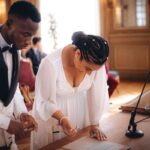
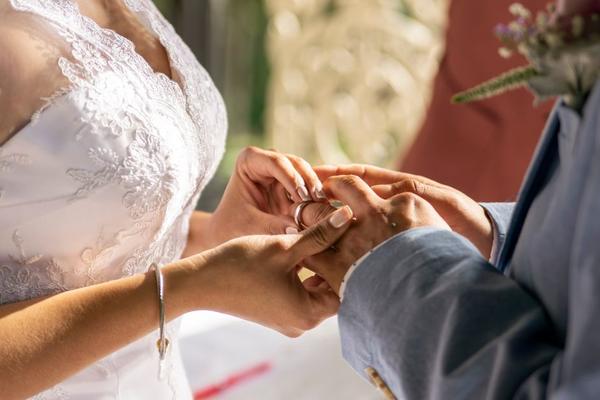
Traditional wedding vows have a familiar rhythm: promises of love through good times and difficult ones, spoken in front of the people who matter most. But couples planning a UK wedding often discover that the words they remember from films are not necessarily the words they will say. The wording depends on the ceremony, the officiant and which part of the UK you are marrying in.
Some promises are part of an authorised religious service or legal ceremony; others can be added to make the occasion feel unmistakably yours.
What are the traditional wedding vows in the UK?
The best-known traditional marriage vows come from Christian marriage services, particularly those of the Church of England. In its Common Worship marriage service, each person addresses the other by name, promises to take them as a spouse and commits to a lifelong marriage before God.
The familiar lines include “for better, for worse”, “for richer, for poorer”, “in sickness and in health” and “to love and to cherish”. The promise continues with a commitment lasting until death. These phrases are not separate promises to pick and mix: they form part of a set declaration.
At a Church of England wedding, the couple normally face each other, hold hands and repeat the vows after the minister. The official words cannot simply be rewritten. Your vicar can explain the authorised options and where a personal reading might fit.
What about the older “thee” and “troth” wording?
The Book of Common Prayer uses older English, including “thee” and “troth”, a word associated with pledged faithfulness. Some traditional versions include a promise to obey; this is not a universal requirement for modern church weddings. The Church of England publishes authorised alternatives, including wording without “obey”, so discuss the service you prefer with your vicar rather than relying on a script found online.
What do the traditional promises actually mean?
The appeal of these vows lies in their honesty. They do not describe marriage as permanent happiness. Instead, they recognise that a shared life will change, sometimes unexpectedly, and promise loyalty through those changes.
“For better, for worse” acknowledges joyful chapters and difficult seasons. “For richer, for poorer” is about staying committed when financial circumstances shift, not predicting money. “In sickness and in health” expresses a willingness to care for one another when life is less convenient or predictable.
“To have and to hold” speaks of building a shared life. “To love and to cherish” adds tenderness and everyday respect to the larger commitment. Taken together, the words are less a romantic performance than a public promise about how two people intend to treat each other.
Church wedding vows versus civil wedding vows
Church wedding vows in the UK are not identical to the legal wording used in a register office. For a civil marriage in England and Wales, couples must use approved declaratory and contracting words. The declaration confirms there is no legal reason they cannot marry; the contracting words express their decision to marry each other.
There are traditional and simpler authorised versions. For example, one modern declaration begins “I declare that I know of no legal reason”, while a shorter contracting form uses the words “I take you” followed by the other person’s name and the appropriate marriage wording. The registrar will provide the full choices and guide you through them.
Those legal statements are distinct from optional romantic promises. Couples can often add a pledge of love or support, subject to the registrar’s approval, but cannot replace the required words with something they wrote themselves. Civil ceremonies in England and Wales must also remain non-religious, including in their readings and music.
Are the rules the same throughout the UK?
Not quite. England and Wales share the civil marriage wording described above, while Scotland has its own marriage law and allows civil, religious and belief ceremonies. Scottish ceremonies can include personal vows alongside the necessary legal declarations, with details agreed through the registrar or authorised celebrant.
Northern Ireland also offers civil and religious marriages, but its procedures are separate. Civil ceremonies there must not contain religious material. Ask the person conducting your wedding for the approved ceremony script for your location. A vow copied from an English wedding website may not be the correct legal wording elsewhere.
Can you keep traditional vows and add personal promises?
Often, yes, provided you add rather than alter any required wording. At a Church of England wedding, the vicar may suggest expressing personal sentiments through a reading or another suitable element. At a civil ceremony, the registrar can explain when additional promises are permitted and what language is acceptable.
Imagine a couple who love the traditional promise about sickness and health but also want to acknowledge years spent supporting each other through long-distance work. They could keep the authorised vows intact and add a short, approved promise about making time for each other wherever work takes them. That detail gives the old words a real-life connection without changing their meaning.
Write two or three sentences about shared values rather than a long speech. Promise something you can genuinely practise, such as listening with patience or protecting time together. For further inspiration, explore ideas for wedding ceremony readings, a guide to writing personal vows and a wedding ceremony order checklist.
How to choose wording that feels right
Start by confirming your ceremony type and requesting its official script. Read the vows aloud together. Older language can sound unexpectedly natural when spoken slowly, while a contemporary civil declaration may leave more space for a personal reading.
Next, mark what is compulsory and what is optional. Ask your vicar, registrar or celebrant whether added promises require approval, and send your proposed wording before the wedding. Finally, practise saying your names and the official phrases. You usually do not need to memorise everything; the officiant can prompt you.
Frequently asked questions
Do we have to say “for better, for worse”?
That phrase belongs to familiar traditional Christian vows, including the Church of England service. It is not part of every UK marriage ceremony. Civil couples follow the legal wording approved for their ceremony instead.
Can we write entirely original wedding vows?
You can write personal promises, but they cannot replace compulsory vows or declarations. The flexibility depends on your ceremony and jurisdiction, so seek the officiant’s approval before printing your order of service.
Is “love, honour and obey” still required?
No. That wording appears in older church texts, but the Church of England has authorised alternatives without “obey”. Check the exact service and version you are choosing.
Can we use religious wedding vows in a civil ceremony?
You cannot include religious content in an England and Wales civil ceremony. You may be able to express similar values in non-religious personal words, while retaining the required legal declarations.
Choosing the promise, not just the phrasing
Traditional wedding vows remain powerful because they make room for real life, not just the wedding day. Choose the authorised wording that fits your ceremony, understand what each promise asks of you and add personal details only where permitted. The result can feel both rooted in tradition and deeply personal.