
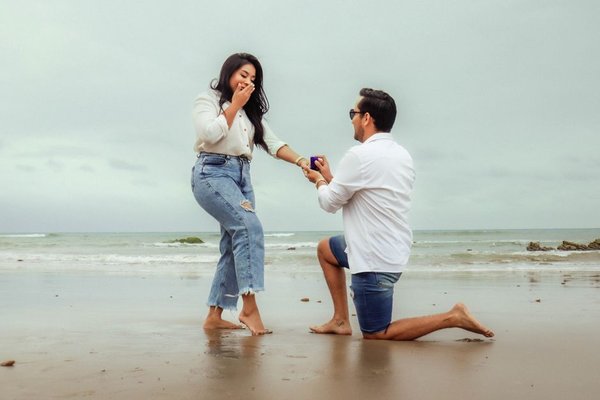
A surprise proposal may take weeks to plan, but the moment itself can pass in seconds. The best recording preserves the pause before the question, the expression when your partner understands, and the laughter or tears that follow. That is why candid proposal photos often feel more meaningful than perfectly posed footage.
The secret is to plan the camera carefully while keeping the proposal emotionally simple. You do not need a film crew. You need a reliable angle, enough light, a clear signal, and a backup plan that will not distract you from the person in front of you.
Choose the Right Way to Capture the Moment
Hire a hidden proposal photographer
A professional is the safest choice when image quality matters or the location is difficult. A hidden proposal photographer can scout the setting, anticipate changing light, and capture several expressions in quick succession. They may blend in as a tourist, sit at a nearby café table, or wait farther away with a long lens.
Share a recent photo of you and your partner, your expected arrival time, the exact proposal spot, and what you will be wearing. Agree on a subtle signal, such as touching your watch, but avoid looking directly at the photographer before you propose.
Ask a trusted friend to blend in
A friend can work well when the location is familiar and you have time to practise. Give them one job: capture the proposal from a stable position. Do not ask them to manage several angles, decorations, and guests at the same time.
Ask your friend to arrive early and behave naturally. In a park, they could sit on a bench reading or pretend to photograph the scenery. At a restaurant, they might already be seated nearby. The disguise should fit the environment.
Use a tripod or phone stand
A tripod is useful for a private garden, rented room, quiet viewpoint, or picnic setup. Place it in plain sight as part of the scene instead of hiding it badly. A phone beside a picnic basket can look as though it is playing music or taking a timed landscape photo.
Start recording several minutes early. Turn on Do Not Disturb, free enough storage, clean the lens, check the battery, and lock focus and exposure if your phone allows it. Record horizontally for a cinematic keepsake or vertically when your main goal is a social media clip. Avoid digital zoom.
Scout the Location Before Proposal Day
Visit at the same time of day you plan to propose. Light, crowds, traffic, background music, and even sprinklers can change the scene. Stand where you expect your partner to stand, then check what the camera will actually see. A beautiful view is not enough if your faces are in shadow or a railing blocks the moment.
Choose one exact proposal mark, such as the edge of a paving stone, a particular tree, or the centre of a rug. Position yourself so the camera can see both faces. A side angle often captures the ring and both reactions better than a camera placed directly behind either person.
Strong proposal photography ideas also include a weather alternative. Identify a covered spot, an indoor option, or a second date. If the plan depends on sunset, arrive early enough that a delay does not leave you proposing in darkness.
Plan the Video, Not Just the Picture
The most useful proposal videography tips are practical. Keep the camera still, frame slightly wider than you think you need, and let the moment unfold without someone rushing forward. A wider frame gives you room to crop later and protects against small changes in where you stand.
Audio deserves attention. A phone placed far away may capture wind and traffic instead of your words. A discreet microphone can help, but rules on recording private conversations vary by location. Check local requirements and venue policies before using hidden audio equipment.
Create a Clear Timeline and Secret Signal
Write a short timeline for everyone involved. Include your arrival window, walking route, proposal position, signal, and what happens after the answer. Build in ten or fifteen minutes of flexibility so a late booking or unexpected crowd does not ruin the setup.
Use a signal that looks natural. Taking off your coat, placing a bag down, or asking your partner to look at the view can tell the photographer that the moment is close. Avoid repeatedly checking your phone, which can make your partner suspicious and pull you out of the experience.
A Realistic Setup That Still Feels Spontaneous
Imagine proposing during a quiet riverside walk. Your friend arrives twenty minutes earlier and sits on a bench with a phone mounted on a small stabiliser. You stop beside a lamp post chosen during your practice visit. After placing your bag down, you take your partner’s hands and propose. Your friend records a wide, steady clip, then waits until the first hug before moving closer for photographs.
This works because every technical decision is made in advance while the conversation remains unscripted. You know where to stand, but you do not memorise every word. The result feels personal rather than staged.
Protect the Surprise Without Ignoring Comfort
Secret filming should preserve a shared memory, not create embarrassment. Consider whether your partner would be comfortable being recorded, especially in public. Keep the camera focused on the two of you, avoid capturing strangers unnecessarily, and follow venue restrictions. Do not post the footage before your partner has seen it and agreed to share it.
After the proposal, take a few private minutes before inviting friends forward or starting portraits. Then capture the ring, the location, relaxed photographs, and a short video message about how the moment felt.
Frequently Asked Questions
Where should a hidden camera be placed for a proposal?
Place it where both faces are visible and the view is unlikely to be blocked. A stable position at roughly chest height usually looks more natural than a low angle. Frame wider than necessary and test the shot with another person standing in the proposal position.
How early should the photographer arrive?
Twenty to thirty minutes is a sensible minimum for a familiar location. Busy venues, ticketed attractions, hikes, or complex setups may require more time. The photographer should be ready before you enter the area.
Is a phone good enough to film a proposal?
Yes, provided it is stable, has enough storage and battery, and is positioned close enough for a clear image. Good light and thoughtful placement usually matter more than having the newest device.
What happens if the camera fails?
Use a backup whenever practical. A photographer can carry a second camera, while a tripod setup can be supported by a friend taking discreet phone photos. Most importantly, do not let a technical problem interrupt the proposal itself.
Make the Memory Feel Like the Moment
The most successful secret proposal recording is carefully prepared but emotionally unforced. Scout the location, choose one dependable angle, test your equipment, agree on a simple signal, and plan a backup. Once the moment begins, stop thinking about the camera. Look at your partner, speak honestly, and let the photographs or video capture what happens naturally.