
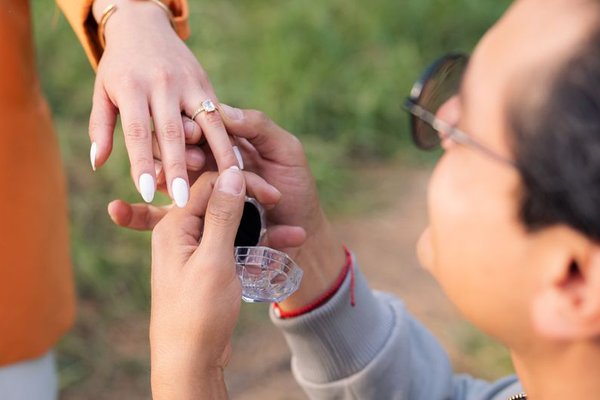
Getting engaged can create a strange mix of excitement and pressure. One minute you are celebrating a private, life-changing moment; the next, you may be wondering who needs to hear the news before it reaches a group chat or social media. There is no universal rule for every family, but a thoughtful engagement news order can prevent hurt feelings and make the announcement feel more personal.
The simplest principle is to tell the people closest to you directly before making the engagement public. For many couples, that means parents or parental figures first, followed by siblings, grandparents and closest friends. If either partner has children whose family life will be affected, however, those children may deserve the first private conversation. Good engagement etiquette is less about a rigid hierarchy and more about making sure important people do not learn major news from Instagram.
Start With the People Most Personally Affected
Before thinking about tradition, consider relationships. Who would reasonably feel hurt if they heard about your engagement from somebody else? Those people belong near the top of your list. Parents are often first, but family circumstances can change the order.
If you are blending families, tell children privately before announcing the engagement widely. Give them room to react without expecting instant enthusiasm. They may be happy, surprised, worried or all three. Because the engagement changes their family life too, treating that conversation as a priority can be more considerate than following a conventional parents-first rule.
Telling Parents About the Engagement
Parents or parental figures are traditionally among the first people to hear the news. Telling parents about engagement news personally remains a thoughtful choice even in informal families. Face to face is lovely when practical, but a video call or phone call is appropriate when distance makes an in-person visit difficult.
If both families are close to you, try to tell them within a similar time frame. You do not need a minute-by-minute schedule, but avoid leaving one set of parents unaware for days while the other family is already celebrating. If one family helped plan the proposal or knew it was coming, contact the other family soon afterward.
Divorced parents, stepparents, estranged relatives and chosen family can make the order less obvious. In those cases, relationship closeness matters more than titles. Someone who raised you may deserve an early call even if they are not a biological parent.
Then Tell Siblings, Grandparents and Closest Friends
Once parents or parental figures know, move through your inner circle. Siblings and grandparents are usually next when you have a close relationship. Your closest friends should also hear directly rather than through a public post.
This stage need not become a formal announcement tour. A call or personal message can be enough. With a large family, tell key people individually and then use a family group chat for the wider circle.
A useful way to understand engagement announcement etiquette is to think in circles. The first circle contains people whose relationship with you makes a personal announcement important. The second includes relatives and friends you normally share major life news with. The third is everyone else who can reasonably hear through a wider announcement.
A Practical Engagement News Order
For many couples, a sensible order is: children whose lives will be directly affected, if applicable; parents or parental figures; siblings and grandparents; closest friends and important extended family; then wider friends, colleagues and social contacts. Social media comes last.
That order should stay flexible. Imagine you get engaged on holiday at 9 p.m. Your parents are asleep in another time zone, but your sister is travelling with you and witnesses the proposal. You do not need to act as though she does not know. Enjoy the moment, then call your parents the next morning before posting publicly. Etiquette should support real relationships, not create unnecessary anxiety.
Agree on the Announcement Plan as a Couple
Before either of you starts calling people, spend a few minutes deciding who needs a personal notification and when you are comfortable going public. One partner may have a small family and a few close friends, while the other has a large extended family with more complicated expectations.
Make one shared list and divide the calls if that feels natural. Also decide whether the news stays private for a few hours, a day or longer. If relatives are likely to post immediately, politely ask them to keep it private until you have finished telling the people on your list.
Thinking ahead also makes later decisions easier. Engagement announcement wording ideas, how to announce an engagement on social media, and engagement party etiquette are natural next steps once your closest people have heard directly.
When Should You Post on Social Media?
Social media should usually come after the people closest to you have been told. There is no required wait. Some couples post the same day, others wait until the next morning, and some keep the engagement private for weeks.
Before posting, check that both partners are comfortable with the timing, photo and level of detail. One person may be ready to share immediately while the other wants to enjoy the news privately first. The public announcement belongs to both of you.
What If Someone Feels Left Out?
Even with a careful plan, somebody may feel disappointed that they were not told earlier. Avoid turning the conversation into a debate about ranking. Acknowledge that you understand why they wanted to hear directly and briefly explain that the first hours after the proposal were busy or emotional.
You are allowed to celebrate without managing every expectation perfectly. Good engagement announcement etiquette means being considerate, not contacting every relative and friend in a flawless order.
FAQ
Who should you tell first when you get engaged?
For most couples, parents or parental figures are among the first to know. If either partner has children whose home or family life will be affected by the marriage, it can be more thoughtful to tell those children first and privately.
Do you have to tell both sets of parents at the same time?
No. Exact timing is not necessary, but try to tell both families within a reasonably close period so neither side discovers the engagement through social media or another relative.
Should close friends know before social media?
Usually, yes. Friends in your inner circle will often appreciate a direct message or call before a public post. It makes major life news feel personal rather than broadcast.
How long should you wait before announcing an engagement online?
There is no fixed rule. Wait until the people who matter most have been told and both partners are comfortable going public. That might be a few hours, a few days or longer.
Keep the Order Personal, Not Perfect
The best answer to who to tell first when you get engaged is the one that reflects your real relationships. Start with the people most affected and closest to you, share the news personally with your inner circle, and save the public announcement until those conversations have happened. A little planning protects the excitement of the moment while helping the people you love feel included.