
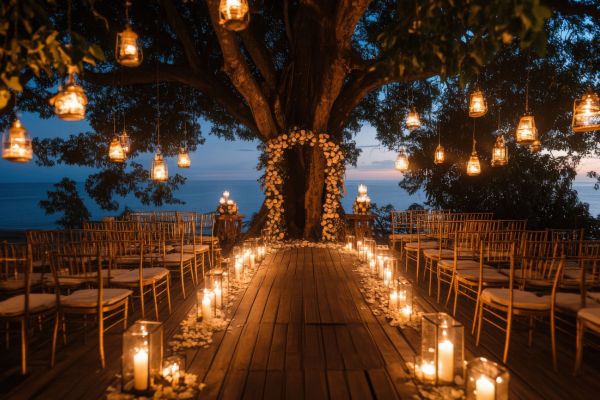
Walk into a wedding reception today and you’ll notice something right away: the tables are telling stories. Centerpieces are no longer just decorative accents meant to fill space between place settings. They’ve become emotional cues, design anchors, and quiet expressions of a couple’s personality. Modern wedding centerpiece trends reflect a broader shift in weddings overall—less about tradition for tradition’s sake, and more about intention, texture, and atmosphere.
Couples are asking different questions now. Instead of “What’s expected?” they’re wondering, “What feels like us?” That mindset has pushed centerpieces into an exciting new era where creativity, restraint, and meaning coexist beautifully.
The Shift From Formal Symmetry to Relaxed Design
One of the most noticeable changes in modern wedding centerpiece trends is the move away from rigid symmetry. Perfectly matching floral domes on every table used to be the gold standard. Today, variety feels more authentic. Tables often feature complementary but not identical arrangements, allowing the room to feel layered and lived-in rather than staged.
This relaxed approach creates visual interest without overwhelming the space. A long table might alternate between low floral groupings and clusters of candles, while round tables may each feature a slightly different composition using the same color palette. The effect is cohesive but never predictable.
Minimalism With a Sense of Warmth
Modern doesn’t mean cold, and minimal doesn’t mean empty. Many of today’s centerpieces embrace simplicity while still feeling welcoming. Clean lines, restrained color palettes, and intentional spacing give the eye room to breathe.
Instead of towering arrangements, couples are leaning into low-profile designs that encourage conversation across the table. Single-stem flowers in sculptural vessels, understated greenery, or even empty space used deliberately can feel striking when done well. The key is balance—paring back without stripping away emotion.
Natural and Organic Elements Take Center Stage
There’s a strong pull toward nature in modern wedding centerpiece trends, especially as outdoor and destination weddings continue to rise. Even indoor venues are borrowing from the natural world. Centerpieces now often incorporate raw textures like stone, wood, ceramic, and linen.
Flowers feel less manicured and more organic, with loose stems, seasonal blooms, and asymmetrical shapes. Moss, branches, dried grasses, and even foraged elements have found their way onto tables, creating arrangements that feel grounded and timeless rather than overly polished.
This organic sensibility also reflects a desire for authenticity. Nothing looks overly forced. Everything feels like it belongs exactly where it is.
Sculptural Florals as Art Pieces
Floral design has crossed into the realm of art. Modern centerpieces often look like they belong in a gallery as much as on a reception table. Sculptural arrangements play with negative space, unexpected angles, and bold forms.
Rather than traditional round bouquets, florals may cascade sideways, reach upward in abstract shapes, or cluster in unconventional ways. The flowers themselves become part of the visual architecture of the room. These designs aren’t about abundance alone—they’re about intention and impact.
Candles as the Emotional Backbone of the Table
Candles have always been part of wedding décor, but their role has expanded dramatically. In modern wedding centerpiece trends, candles often do the heavy lifting when it comes to atmosphere. Long tapers, chunky pillars, and clusters of votives create movement and warmth that flowers alone can’t achieve.
Some tables rely almost entirely on candlelight, especially for evening receptions. The flicker adds intimacy and softness, transforming even minimalist tables into romantic settings. The beauty lies in the imperfection—wax drips, uneven flames, and subtle shadows all contribute to the mood.
Mixing Heights Without Blocking Conversation
Height is still part of the conversation, but it’s handled more thoughtfully than in the past. Tall centerpieces are no longer about dominating the table. Instead, height is introduced in ways that feel airy and unobtrusive.
Floating installations, slim stands, or hanging elements above the table allow designers to create drama without interfering with guests’ sightlines. When height is used sparingly and strategically, it adds depth to the room rather than clutter.
Unexpected Objects as Conversation Starters
One of the more playful modern wedding centerpiece trends involves using unexpected items in place of traditional florals. Books, vintage glassware, ceramic sculptures, fruits, or even personal objects meaningful to the couple can become focal points.
These choices often spark conversation and make the tables feel personal rather than generic. A centerpiece doesn’t have to scream “wedding” to belong at a wedding. Sometimes the most memorable designs are the ones that feel slightly offbeat and deeply intentional.
Color Stories That Feel Intentional, Not Overdone
Modern centerpieces tend to favor curated color stories over loud palettes. Neutrals remain popular, but they’re often layered with subtle tones like muted clay, smoky blue, soft sage, or dusty rose.
Rather than matching everything perfectly, designers allow colors to interact naturally. Slight variations in shade add depth and richness. The result feels editorial, almost effortless, even though every detail is carefully considered.
Sustainability Influencing Design Choices
Sustainability isn’t always visible at first glance, but it’s shaping many modern wedding centerpiece trends behind the scenes. Couples are increasingly mindful of waste, leading to reusable vessels, potted plants, and designs that can be repurposed throughout the day.
Seasonal and locally sourced flowers are favored not just for environmental reasons, but because they tend to look fresher and more authentic. Dried and preserved elements also make an appearance, adding texture while reducing the need for constant replacements.
Centerpieces That Reflect the Overall Experience
Perhaps the most defining feature of modern wedding centerpiece trends is how closely they align with the overall experience of the day. Centerpieces are no longer standalone decorations. They’re part of a larger narrative that includes lighting, music, food, and even pacing.
A relaxed garden wedding might feature loose arrangements that feel freshly gathered, while an urban evening reception may lean into sleek vessels and dramatic candlelight. The best centerpieces don’t just look good—they feel right.
A Thoughtful Conclusion on Modern Wedding Centerpiece Trends
Modern wedding centerpiece trends reveal more than changing aesthetics; they reflect changing values. Today’s couples are less interested in impressing and more interested in expressing. They want tables that invite connection, spark emotion, and quietly reinforce the story of the day.
Whether minimalist or lush, organic or sculptural, the most successful centerpieces are rooted in intention. They don’t shout for attention. They simply belong. And in a world where weddings are becoming more personal than ever, that sense of belonging is what truly makes a table unforgettable.