
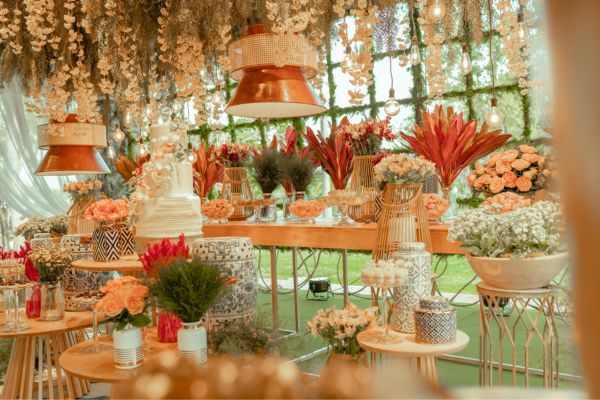
The Quiet Power of Flowers at a Wedding
Flowers have a way of entering a wedding before anyone says a word. They soften a grand ballroom, bring warmth to a stone chapel, add romance to a garden ceremony, and make even the simplest table feel considered. Long before the music begins or the meal is served, floral design sets a mood. It tells guests whether the day feels classic, modern, whimsical, relaxed, dramatic, or deeply personal.
That is why the work of top wedding florists matters so much. Their role is not only to arrange flowers in pretty vases. A skilled wedding florist understands color, texture, season, space, emotion, and movement. They know how a bouquet should look in photographs, how a ceremony arch should frame a couple without overwhelming them, and how table flowers should feel beautiful without blocking conversation.
In many ways, wedding flowers are part design, part storytelling. A rose may speak of tradition, wildflowers may suggest ease and countryside charm, orchids may bring elegance, while trailing greenery can make a room feel alive. The best floral designs never feel random. They look natural, but behind that natural feeling is thought, balance, and a careful eye.
What Makes a Wedding Florist Stand Out
The difference between an ordinary florist and a truly memorable wedding florist often comes down to interpretation. Many people can recreate a bouquet from a photo, but top wedding florists know how to translate inspiration into something that fits the couple, the venue, the season, and the overall feeling of the day.
A bride may say she wants “soft and romantic,” but that phrase can mean many things. It could mean blush roses and ivory peonies in a timeless arrangement. It could mean airy sweet peas, delicate ranunculus, and pale blue accents. It could also mean loose garden-style flowers with a slightly undone look. A strong florist listens beyond the words and understands the atmosphere behind them.
They also understand restraint. Not every surface needs flowers. Not every arrangement needs to be oversized. Sometimes a single sculptural branch, a cluster of candles, or a low bowl of seasonal blooms can be more powerful than an overfilled display. The best floral designers know when to add more and, just as importantly, when to stop.
Floral Design as Part of the Wedding Atmosphere
Wedding flowers do not exist separately from the rest of the celebration. They interact with the dress, the table settings, the lighting, the architecture, and even the time of day. A floral design that looks stunning in a bright outdoor garden may feel completely different in a candlelit evening reception. This is where experience becomes important.
Top wedding florists think about the whole room. They consider whether the venue has warm wood, cool marble, high ceilings, rustic beams, dramatic windows, or patterned carpets. They look at how natural light enters the space and how flowers will appear under evening lighting. They also pay attention to scale. A small arrangement can disappear in a grand hall, while an oversized installation may feel too heavy in an intimate dining room.
The goal is harmony. Flowers should feel connected to the place, not simply placed inside it. When done well, guests may not immediately notice every detail, but they will feel the effect. The room will seem complete, layered, and alive.
The Beauty of Seasonal Flowers
One reason top wedding florists often recommend seasonal flowers is simple: seasonal blooms tend to look fresher, feel more natural, and carry a certain sense of time. A spring wedding filled with tulips, lilacs, and peonies feels different from an autumn wedding with dahlias, chrysanthemums, berries, and deep-toned foliage. Seasonality gives floral design a rhythm.
There is also an emotional quality to flowers that belong to a certain time of year. Lily of the valley can feel delicate and nostalgic in spring. Sunflowers and cosmos may bring a breezy summer mood. Dahlias can create a rich, painterly feeling in late summer and fall. Amaryllis, anemones, and evergreen accents can feel elegant in winter without becoming overly themed.
A talented florist will know how to work with what is naturally available while still honoring the couple’s vision. Sometimes this means suggesting a similar flower when a favorite bloom is out of season. Other times it means building a palette around texture rather than relying on one specific flower. This flexibility often leads to designs that feel more original.
Bouquets That Feel Personal
The bridal bouquet is one of the most photographed floral pieces of the entire wedding day. It appears in portraits, ceremony moments, getting-ready photos, and often becomes part of the bride’s memory of how the day felt. Because of this, the bouquet should do more than match the color palette. It should suit the person carrying it.
Some bouquets are neat and rounded, with a classic sense of polish. Others are loose, garden-like, and full of movement. Some feel modern and minimal, using only a few flower varieties in a clean shape. Others are layered with delicate blooms, trailing ribbons, herbs, or meaningful accents. There is no single correct style.
Top wedding florists pay attention to proportion, too. A bouquet should not overpower the dress or feel awkward to hold. It should move naturally with the bride and photograph beautifully from different angles. Even the stems, ribbon, and finishing touches matter. These small details may seem minor, but they help the bouquet feel intentional rather than simply assembled.
Ceremony Flowers That Frame the Moment
The ceremony is where floral design often carries the most emotional weight. Whether it is a floral arch, aisle arrangements, altar flowers, meadow-style ground installations, or simple clusters of blooms, ceremony flowers help frame the moment when two people make their vows.
The best ceremony flowers feel connected to the setting. In a garden, florals might look as though they are growing naturally from the ground. In a church, arrangements may feel more structured and respectful of the architecture. On a beach, flowers may need to withstand wind, heat, and open space while still looking graceful. In a city venue, modern floral columns or sculptural designs can create a striking focal point.
A thoughtful florist also considers what happens after the ceremony. Some arrangements can be repurposed for the reception, such as moving aisle flowers to the bar, sweetheart table, or lounge area. This requires planning, timing, and a practical understanding of event flow. Good floral design is beautiful, yes, but it is also smart.
Reception Flowers and the Art of the Table
Reception flowers have a different job from ceremony flowers. They are not only seen from a distance; they are experienced up close. Guests sit beside them, dine around them, and notice their scent, height, color, and shape. This makes table design one of the most delicate parts of wedding floristry.
Tall centerpieces can create drama in a large room, especially when paired with candles and elegant table settings. Low arrangements feel intimate and allow easy conversation. Bud vases can create a relaxed, collected look, while long floral runners bring abundance to banquet-style tables. Each choice changes the mood.
Top wedding florists understand that reception flowers must work with plates, glassware, linens, menus, candles, and service needs. A centerpiece can be beautiful but still impractical if it blocks views or takes up too much space. The strongest designs feel effortless because every detail has been considered before guests arrive.
Color Palettes That Tell a Story
Color is one of the most emotional parts of floral design. Soft whites and greens can feel timeless and calm. Blush, peach, and cream create warmth and romance. Deep burgundy, plum, and chocolate tones bring richness. Bright coral, yellow, and pink can make a wedding feel joyful and full of energy. Even an all-white palette can vary greatly depending on texture and shape.
The best wedding florists do not treat color as a flat choice. They work with tone, depth, contrast, and transition. Instead of using one exact shade, they may build a palette with several related tones so the flowers feel more natural. For example, a “pink” wedding may include dusty rose, soft blush, mauve, raspberry, and cream. This creates a richer visual experience.
Color also affects photography. Some tones look different in natural light than they do indoors. Certain flowers may photograph brighter or softer than expected. Experienced florists understand these details and choose combinations that hold their beauty throughout the day.
Texture, Shape, and Movement in Floral Design
A floral arrangement becomes memorable when it has more than just color. Texture gives flowers depth. Shape gives them structure. Movement gives them life. This is why top wedding florists often combine large focal flowers with smaller delicate blooms, soft greenery, airy stems, and unexpected natural elements.
A bouquet of only one flower can be elegant, but mixed textures often feel more expressive. A rose beside a fluttery ranunculus, a spiky stem, soft sweet peas, and trailing jasmine creates a layered look. The eye moves through the design rather than stopping in one place.
Movement is especially important in modern wedding floristry. Many couples now prefer arrangements that feel organic rather than stiff. This might mean asymmetrical arches, loose bouquets, meadow-style aisles, or centerpieces that seem to spill gently across the table. The result feels less formal, but still refined when handled well.
Why Communication Matters With a Wedding Florist
Even the most creative florist needs clear communication. Wedding flowers involve personal taste, budget, logistics, seasonality, and many small decisions. A couple does not need to know every flower name, but they should be able to describe the feeling they want. Calm and romantic. Wild and colorful. Elegant and minimal. Classic with a modern edge.
Visual references help, though they should be used as direction rather than strict instructions. A florist may look at several inspiration photos and notice that the couple is drawn to soft shapes, muted colors, or abundant greenery rather than one exact arrangement. This helps create something personal instead of a copy.
Good communication also includes honesty. If a flower is not available, too fragile for the climate, or likely to exceed the intended budget, a professional florist should explain alternatives clearly. The process works best when there is trust on both sides.
Balancing Beauty and Practicality
Wedding flowers are emotional, but they are also practical. They must be ordered, transported, conditioned, arranged, installed, moved, refreshed, and sometimes broken down after the event. Behind every dreamy floral arch or lush tablescape is a lot of physical work.
Top wedding florists think through these realities early. They know which flowers can survive heat, which blooms bruise easily, which installations need structural support, and how long certain arrangements can remain fresh. They also understand timing. Flowers cannot be finished too early, but they also cannot be rushed at the last minute.
This practical knowledge does not make floral design less romantic. In fact, it protects the romance. When the logistics are handled well, the flowers look effortless. Guests see beauty, not the hours of preparation behind it.
Modern Trends in Wedding Floristry
Wedding floral trends continue to evolve, though the most beautiful designs usually feel personal rather than trendy for the sake of it. In recent years, couples have shown growing interest in garden-inspired arrangements, sculptural floral installations, colorful palettes, dried elements, locally grown flowers, and designs that feel less symmetrical.
There is also more interest in sustainability. Some couples prefer foam-free installations, seasonal blooms, potted plants, reusable vessels, or arrangements that can be donated after the wedding. These choices can make floral design feel more thoughtful and less wasteful.
Still, trends should be treated gently. A wedding does not need to follow every popular idea to feel current. The best floral choices are the ones that suit the couple, the place, and the atmosphere of the day. A simple white bouquet can be just as powerful as a dramatic floral ceiling if it feels right.
How Top Wedding Florists Shape the Memory of the Day
People often remember wedding flowers in fragments. The scent of a bouquet. The arch glowing in late afternoon light. The flowers along the aisle. The way candles flickered beside low arrangements at dinner. These memories may seem small, but they become part of how the whole day is remembered.
That is the quiet gift of excellent floral design. It does not need to shout. It can whisper, frame, soften, brighten, and deepen the emotion of a wedding. Flowers are temporary, of course, but their effect can last far longer than the blooms themselves.
Top wedding florists understand this balance between beauty and feeling. They create designs that are not just decorative, but atmospheric. Their work helps turn a venue into a setting, a table into a gathering place, and a ceremony into a scene that feels deeply personal.
Conclusion
Choosing flowers for a wedding is not only about selecting pretty blooms. It is about shaping mood, honoring the season, complementing the venue, and creating details that feel connected to the couple’s story. The work of top wedding florists brings all of these elements together with creativity, care, and a strong sense of design.
Beautiful floral designs do more than fill space. They add softness, meaning, texture, and emotion to a celebration. Whether the style is classic, modern, romantic, wild, or quietly minimal, the right flowers can make a wedding feel complete in a way that guests may not fully explain, but will certainly feel. And perhaps that is what makes wedding floristry so special: its beauty is brief, but its memory lingers.