
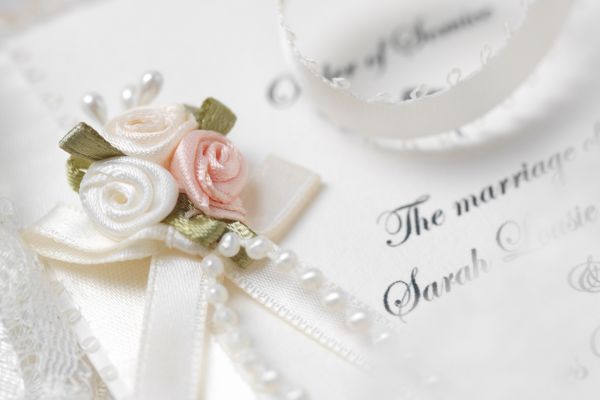
Wedding invitations carry more than the date, time, and place. They quietly set the tone for the day ahead. A formal ballroom wedding, a garden ceremony, a religious service, a relaxed family celebration — all of these can be hinted at through the wording long before guests choose what to wear. When parents are hosting, the wording also reflects family tradition, gratitude, and the role parents are playing in bringing everyone together.
For many couples, figuring out wedding invitation wording for parents hosting can feel slightly more delicate than expected. It is not just about grammar or etiquette. It is about honoring parents, acknowledging support, and still keeping the invitation warm and natural. The good news is that the wording does not need to feel stiff or old-fashioned unless that is the tone you want. With a little care, it can feel graceful, personal, and completely suited to your wedding.
Why Parents Are Mentioned on Wedding Invitations
Traditionally, wedding invitations were issued by the bride’s parents because they were often the hosts and financial contributors. In classic etiquette, the invitation began with their names, followed by a request for guests to attend the marriage of their daughter. While weddings have changed a great deal, this structure still feels meaningful for many families.
Today, parents may be hosting in different ways. One set of parents may be paying for the celebration. Both families may be contributing. Parents may be emotionally involved rather than financially responsible. Sometimes the couple wants to honor parents simply because the wedding is a family milestone, not because of who is covering the bill.
That is why modern invitation wording is more flexible. It can follow tradition, blend both families’ names, or use inclusive language that feels less formal. What matters most is clarity, respect, and a tone that matches the celebration.
Traditional Wording When the Bride’s Parents Are Hosting
The most classic form of wedding invitation wording places the bride’s parents at the beginning. This style is especially common for formal weddings, religious ceremonies, and celebrations where tradition matters to the family.
A traditional version might read: “Mr. and Mrs. Thomas Bennett request the honour of your presence at the marriage of their daughter Emily Rose to James Michael Carter.”
This wording is elegant and familiar. It clearly shows that the bride’s parents are hosting and inviting guests to witness the marriage. The phrase “request the honour of your presence” is often used for ceremonies held in a house of worship, while “request the pleasure of your company” is more common for non-religious venues.
The couple’s full names are usually included, especially in formal invitations. If the groom’s parents are not hosting but the family still wants to acknowledge them, their names can appear later in the invitation, often after the groom’s name. This keeps the traditional host structure while still recognizing both sides of the family.
Wording When Both Parents Are Hosting
Many weddings today are hosted by both families. In that case, the invitation should feel balanced and inclusive. Both sets of parents can be named at the beginning, which gives equal recognition to each family’s role.
A formal example might say: “Mr. and Mrs. Daniel Wright and Mr. and Mrs. Robert Hayes request the pleasure of your company at the marriage of their children Olivia Grace and Ethan James.”
This wording feels traditional but shared. It works well when both families are contributing or when the couple wants to present the wedding as a union of two families. Using “their children” is a simple phrase, but it carries warmth. It shifts the invitation from one family giving away a child to both families celebrating together.
For a softer, more modern version, the invitation could begin: “Together with their families, Olivia Grace Wright and Ethan James Hayes invite you to celebrate their wedding.” This wording still honors parents but puts the couple at the center. It is especially useful when family structures are more blended or when naming every parent would make the invitation feel crowded.
Wording When the Groom’s Parents Are Hosting
Although less traditional in older etiquette, it is completely acceptable for the groom’s parents to host and be named first. Modern weddings reflect real family circumstances, and the wording should match the truth of the event.
A graceful version might read: “Mr. and Mrs. Robert Carter request the pleasure of your company at the marriage of Emily Rose Bennett to their son James Michael Carter.”
This structure makes it clear that the groom’s parents are the hosts. It also keeps the wording formal and respectful. The bride’s name can appear in full, followed by the groom’s name and the phrase “their son.” If the wedding is formal, full names are usually best. For a more relaxed invitation, first and middle names may be enough, depending on the style of the event.
The key is not to worry about outdated expectations. If the groom’s parents are hosting, the invitation can say so directly and beautifully.
Wording for Divorced or Remarried Parents
Family situations can make invitation wording feel a little more complicated, especially when parents are divorced, remarried, or separated. The aim is to be respectful while avoiding awkward phrasing. Names can be listed separately, and the wording can remain simple.
For divorced parents who are both hosting, the invitation might read: “Ms. Linda Bennett and Mr. Thomas Bennett request the pleasure of your company at the marriage of their daughter Emily Rose.”
If one or both parents have remarried, you may include stepparents if they are part of the hosting arrangement or if the couple wants to honor them. For example: “Ms. Linda Bennett and Mr. Charles Moore, together with Mr. and Mrs. Thomas Bennett, request the pleasure of your company…”
This kind of wording can become long, so it helps to keep the rest of the invitation clean and uncluttered. In some cases, “Together with their families” may be the most elegant solution. It avoids hierarchy and gives space to all important family members without turning the invitation into a formal family tree.
Honoring a Deceased Parent in the Wording
Including a deceased parent on a wedding invitation is a deeply personal choice. Some couples want to honor their memory in the main invitation, while others prefer to mention them in the ceremony program or another part of the wedding stationery.
A thoughtful wording option might be: “Mrs. Linda Bennett requests the honour of your presence at the marriage of her daughter Emily Rose, daughter of the late Mr. Thomas Bennett, to James Michael Carter.”
This wording acknowledges the parent with dignity. It does not feel overly emotional, but it allows their presence to be felt. If both parents of one partner are deceased, or if the situation feels too sensitive for the main invitation, a simpler hosting phrase such as “Together with their families” can still be appropriate.
There is no single correct answer here. The best wording is the one that feels respectful and comforting to the couple and their family.
Formal and Casual Tone Choices
One of the biggest decisions in wedding invitation wording for parents hosting is the level of formality. A black-tie wedding at a historic venue may call for traditional language, full names, and phrases such as “request the honour of your presence.” A backyard wedding or beach celebration may feel better with wording that is lighter and more conversational.
Formal wording tends to use full names, traditional titles, and complete dates and times. Casual wording may use first names, simpler phrases, and a warmer rhythm. For example, “Together with their parents, Emma and Noah invite you to share in the joy of their wedding day” feels relaxed but still respectful.
Neither style is better. The invitation should sound like the wedding. Guests often sense the formality of the day from the first few lines, so the wording should give them an honest preview.
Small Etiquette Details That Matter
Even modern invitations benefit from a few etiquette basics. Host names usually appear first. The couple’s names should be clear and easy to read. The ceremony date, time, and location should not be hidden inside overly decorative wording. If the reception is at the same location, a short line such as “Reception to follow” is enough.
Titles can be used or skipped depending on the tone. “Mr. and Mrs.” feels traditional, while full names without titles feel more contemporary. If parents have different last names, list them in a way that feels natural and respectful. For same-sex parents, single parents, stepparents, or guardians, the same rule applies: name the people who are hosting in the clearest and kindest way.
It is also wise to read the wording aloud. Sometimes a sentence looks fine on screen but sounds heavy when spoken. Wedding invitations should have a gentle flow. They are formal pieces of writing, yes, but they should still feel human.
Making the Wording Feel Personal
The most memorable invitations are not always the most elaborate. Often, they are the ones that feel sincere. Parents hosting a wedding may want the wording to reflect family warmth rather than strict tradition. A line like “with joyful hearts” or “invite you to celebrate” can soften the tone without making the invitation too casual.
Still, restraint matters. The main invitation is not usually the place for a long family story or emotional tribute. Save those details for the wedding website, program, or speeches. The invitation’s job is to welcome guests clearly and beautifully.
When in doubt, choose wording that will still feel right years later. Trends come and go, but sincerity rarely dates.
Conclusion
Wedding invitation wording when parents are hosting is really about balance. It honors the people who are opening the celebration, introduces the couple with care, and gives guests a first glimpse of the wedding’s atmosphere. Whether the wording is traditional, modern, formal, or relaxed, it should feel true to the families involved.
There is no need to force old etiquette onto a wedding that does not fit it. At the same time, classic wording can be beautiful when it reflects genuine family tradition. The best invitation language sits somewhere between respect and warmth. It says who is hosting, who is getting married, and why everyone is being gathered together. In the end, that is the heart of a wedding invitation: a gracious welcome into one of life’s most meaningful days.