
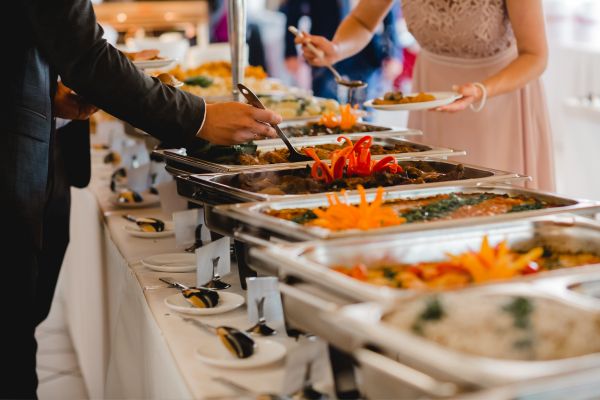
Food has quietly become one of the most memorable parts of modern weddings. Guests may forget the exact shade of the table linens or the order of the speeches, but they almost always remember the meal. Over the past few years, wedding menus have shifted away from predictable banquet plates toward experiences that feel more personal, interactive, and reflective of the couple themselves.
Today’s couples are thinking carefully about how food fits into the atmosphere of the celebration. Some want relaxed comfort dishes that remind guests of family gatherings. Others lean toward globally inspired flavors, artistic presentation, or late-night snacks that keep the dance floor alive long after dinner ends. What makes current wedding catering food trends interesting is not just the creativity behind them, but the way they help shape the mood of an event.
There is also a noticeable move away from strict formal dining rules. Weddings are becoming warmer, more expressive, and more connected to shared experiences. Food naturally follows that shift.
Interactive Food Stations Create Energy
One of the strongest shifts in wedding catering has been the rise of interactive food stations. Guests no longer simply sit and wait for plated meals to arrive. Instead, many receptions now encourage movement and conversation through live serving stations where chefs prepare dishes in real time.
Pasta bars, taco counters, seafood displays, sushi rolling stations, and carving tables all create a more relaxed atmosphere. Guests enjoy choosing ingredients and customizing meals according to their preferences.
These setups also change the rhythm of the reception. People gather around food stations naturally, which creates conversation between guests who may not know each other well. There is something inherently social about watching fresh food being prepared in front of you.
The appeal is not only visual. Interactive dining makes the event feel more personal and less rigid than traditional banquet service.
Comfort Food Continues to Dominate Menus
Elegant dining still has its place at weddings, but comfort food has developed a strong following in recent years. Couples increasingly want meals that feel satisfying, familiar, and emotionally warm rather than overly formal.
Mini grilled cheese sandwiches paired with tomato soup shooters, gourmet sliders, truffle fries, fried chicken, mac and cheese, and wood-fired pizza have all become popular reception options. These dishes often carry nostalgic associations, which makes them feel welcoming to guests of all ages.
Comfort food also fits the more relaxed tone many weddings now embrace. Guests tend to loosen up around food that feels approachable rather than intimidating.
Interestingly, comfort dishes are often elevated with small twists. A classic recipe might include local ingredients, unexpected seasonings, or upscale presentation without losing the familiarity that makes it comforting in the first place.
Global Flavors Are Influencing Wedding Menus
Modern wedding catering food trends increasingly reflect cultural diversity and international influence. Couples frequently incorporate dishes connected to their heritage, travels, or favorite cuisines.
Mediterranean spreads, South Asian fusion dishes, Korean barbecue, Middle Eastern appetizers, and Latin American street food all appear more frequently on reception menus. Rather than choosing one uniform style, many weddings now blend multiple culinary traditions together.
This shift makes wedding dining feel more personal and story-driven. Guests are often introduced to foods that reflect meaningful parts of the couple’s background or experiences together.
Fusion menus are especially popular because they allow creativity without becoming overly formal. A reception might feature classic cocktails alongside regional dishes, or elegant plated meals paired with casual late-night international snacks.
The result often feels less like a standard catered event and more like a curated dining experience.
Grazing Tables Are Replacing Traditional Appetizers
Few catering trends have grown as quickly as grazing tables. These large, visually abundant spreads feature cheeses, fruits, breads, cured meats, dips, nuts, pastries, vegetables, and small desserts arranged artistically across long tables or display boards.
Part of their appeal lies in the relaxed atmosphere they create. Guests can snack casually while mingling rather than waiting for passed hors d’oeuvres.
Grazing displays also bring strong visual impact to receptions. Rich colors, layered textures, and overflowing arrangements contribute to the décor as much as the menu itself.
Unlike rigid appetizer service, grazing tables encourage guests to explore at their own pace. Some couples even build regionally themed tables featuring local specialties or seasonal ingredients.
There is a slightly imperfect, natural quality to grazing setups that fits beautifully with modern wedding aesthetics.
Plant-Based Menus Are Becoming More Common
Plant-based dining has moved far beyond being a small accommodation tucked into the corner of the menu. Many couples now intentionally design portions of their wedding meals around vegetarian or vegan dishes, even when most guests are not fully plant-based themselves.
This change reflects broader food culture trends focused on freshness, sustainability, and ingredient quality. Roasted vegetable dishes, grain bowls, mushroom entrées, and creative plant-based appetizers now appear regularly at weddings.
Guests increasingly expect thoughtful dietary options rather than simple substitutions. Well-executed vegetarian meals often become some of the most talked-about dishes of the evening.
The shift is less about restriction and more about variety. Couples want menus that feel inclusive while still maintaining flavor and creativity.
Seasonal produce also plays a larger role in these menus, which gives many receptions a fresher and lighter atmosphere overall.
Late-Night Snacks Keep the Celebration Going
As receptions stretch later into the evening, late-night food has become almost expected. After hours of dancing, guests tend to appreciate something warm, salty, or comforting before the night winds down.
Mini burgers, fries, breakfast sandwiches, donuts, soft pretzels, ramen cups, and milkshake bars often appear late in the reception. Some weddings even bring in food trucks for a casual midnight meal.
There is something unexpectedly joyful about seeing elegantly dressed guests line up for snacks late at night. The formality softens, and the atmosphere becomes more relaxed and celebratory.
Late-night catering also helps sustain energy during longer receptions. Guests who might otherwise leave early often stay longer once food reappears later in the evening.
Smaller Desserts Are Replacing Large Cakes
Wedding cakes remain symbolic, but dessert culture around weddings has expanded considerably. Many couples now prefer dessert collections over a single towering cake.
Mini pastries, dessert shooters, macarons, cookies, cupcakes, and bite-sized sweets allow guests to sample different flavors throughout the evening. Dessert bars also encourage movement and interaction much like grazing tables.
This trend reflects changing dining habits overall. Guests often prefer smaller portions and more variety rather than committing to one large dessert slice.
Some couples still include a small ceremonial cake while serving alternative desserts to guests. This balance preserves tradition without limiting creativity.
Visually, dessert displays have become an important part of wedding design as well. Colorful arrangements and layered textures contribute to the atmosphere almost as much as floral décor.
Sustainability Is Influencing Catering Decisions
Sustainability has quietly become one of the more influential wedding catering food trends. Couples increasingly pay attention to food waste, sourcing practices, and environmentally conscious service choices.
Locally sourced ingredients are especially popular because they support seasonal menus and reduce transportation impact. Farm-to-table concepts continue appearing across both rustic and upscale weddings.
Portion planning has also improved. Rather than excessive buffet overflow, many receptions now focus on balanced quantities that reduce waste while still keeping guests satisfied.
Reusable serving ware, compostable materials, and reduced packaging are becoming more common as well.
Interestingly, sustainable catering often feels more personal and grounded rather than overly trendy. Seasonal ingredients tend to produce menus that feel authentic and connected to the location or time of year.
Beverage Experiences Are Becoming More Creative
Food may dominate much of the conversation, but beverages are evolving alongside catering menus. Signature cocktails remain popular, though couples increasingly look for drinks tied to shared memories, travel experiences, or family traditions.
Craft mocktails have grown significantly too. Non-alcoholic options are now often designed with the same level of care as cocktails rather than treated as an afterthought.
Coffee bars, espresso carts, fresh juice stations, and specialty tea service are appearing more frequently during receptions and after-dinner service.
Some weddings even pair beverages directly with food stations, creating a more immersive dining experience overall.
The goal is less about extravagance and more about creating moments guests genuinely enjoy.
Personalization Matters More Than Formality
Perhaps the biggest change in modern wedding catering is the move toward personalization. Couples are increasingly less concerned with following traditional dining formulas and more focused on creating meals that reflect who they are.
Menus inspired by childhood favorites, family recipes, travel memories, or cultural traditions often feel more meaningful than highly formal dining presentations.
Guests tend to connect more deeply with food that tells a story. A favorite hometown dessert or late-night snack from the couple’s first trip together often creates stronger emotional impact than elaborate presentation alone.
This shift has made wedding catering feel more human and less performance-driven.
Conclusion
Wedding catering food trends continue evolving toward experiences that feel personal, relaxed, and memorable. Interactive stations, comfort food, global flavors, plant-based dishes, and late-night snacks all reflect a broader change in how couples approach celebrations today.
Rather than focusing solely on tradition or formality, many modern weddings now use food to create connection and atmosphere. Guests are invited not just to eat, but to participate, explore, and share moments together throughout the event.
In the end, the most successful wedding meals are rarely the ones that feel overly complicated. They are the meals that feel warm, thoughtful, and reflective of the people gathering around the table.