
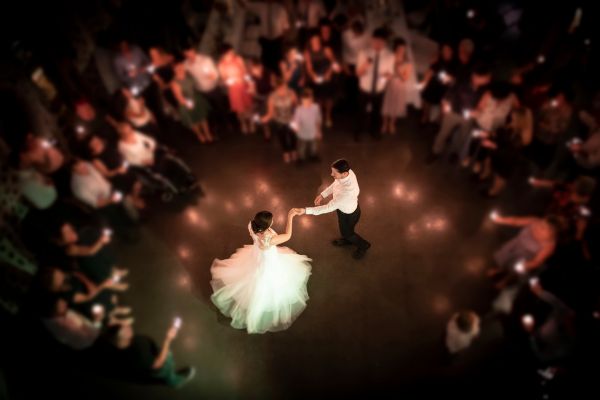
Long after the flowers fade and the cake is gone, a wedding video often becomes one of the most meaningful keepsakes from the day. It captures movement, expressions, laughter, nervous hands, speeches, and the tiny moments couples sometimes miss while living them in real time. But visuals alone rarely create the full emotional impact. Music is what gives those moments rhythm, atmosphere, and memory.
That is why choosing wedding video music deserves more thought than many couples initially expect. The right song can make a simple glance feel cinematic. It can turn a dance floor scene into joyful nostalgia or make quiet vows feel deeply intimate. The wrong track, on the other hand, can feel distracting, generic, or strangely disconnected from the story.
Good music selection is not about chasing trends. It is about finding sound that feels true to the people in the film.
Why Music Matters So Much in Wedding Videos
Most people feel music before they analyze it. A melody can soften a scene, energize it, or create tension within seconds. In wedding films, music helps guide emotion through the story.
A slow instrumental under a first look creates tenderness. A lively upbeat track during reception clips brings movement and celebration. A thoughtful acoustic piece during morning preparations can make anticipation feel warm and personal.
Because wedding videos condense many hours into a short narrative, music often acts as the emotional thread tying everything together.
That is why choosing wedding video music is less about background sound and more about storytelling.
Start With Your Relationship, Not the Charts
Couples sometimes begin by searching “top wedding songs this year.” That can be useful for inspiration, but popularity should not be the main guide.
Think first about your relationship. What kind of energy feels like you both? Calm and sentimental? Fun and playful? Modern and stylish? Deeply romantic? Slightly unconventional?
Maybe you bonded over road trips and indie playlists. Maybe you love classic soul. Maybe you prefer cinematic instrumentals over lyrics entirely.
The strongest wedding videos often feel personal because the music reflects the couple rather than the algorithm.
Consider the Tone of Your Wedding Day
Every wedding has its own atmosphere. A garden ceremony at sunset feels different from a black-tie ballroom event. A beach celebration carries a different mood than an intimate courthouse gathering followed by dinner.
Music should support that tone.
Rustic outdoor weddings often pair beautifully with acoustic, folk, or organic sounds. Elegant formal settings may suit orchestral, piano-led, or sophisticated contemporary tracks. High-energy city celebrations can handle more modern beats and stylish production.
The song does not need to match the venue literally, but it should feel emotionally at home there.
Lyrics Can Help or Distract
Lyrics can be powerful when chosen carefully. The right words may echo vows, shared values, or emotional themes. They can make viewers feel the relationship more deeply.
But lyrics can also compete with speeches, voiceovers, or important dialogue in the video. If a song says too much too loudly, it may pull attention away from real moments.
This is why many videographers use instrumentals or songs with light, unobtrusive vocals for certain sections.
When choosing wedding video music, ask whether the lyrics support the story or dominate it.
Think in Sections, Not Just One Song
Many highlight films use more than one track. That allows emotional movement across the video.
Preparations might use something gentle and anticipatory. The ceremony section may become emotional and expansive. Reception footage often benefits from joyful energy. The closing moments may return to something reflective.
Even if your film uses a single song, thinking in emotional chapters helps.
A wedding day contains multiple moods. Music can honor that range beautifully.
Match Tempo to Editing Style
Fast edits usually pair better with rhythmic, energetic music. Slower cinematic editing often benefits from spacious melodies or subtle build.
If your videographer uses dramatic drone shots, sweeping transitions, and slow-motion moments, a frantic dance track may feel mismatched. If the style is playful, documentary-like, and packed with laughter, overly serious music may feel heavy.
This is where trusting your editor’s instincts can help. Experienced filmmakers often understand how pacing and sound interact.
Choosing wedding video music works best when song and editing style feel connected.
Avoid Songs That May Date Quickly
Some trend-driven songs feel exciting in the moment but lose emotional resonance quickly. A viral hit tied strongly to one season of internet culture may feel less timeless ten years later.
That does not mean you must choose only old classics. It simply means considering longevity.
Ask yourself: will this song still feel meaningful on anniversaries years from now?
Sometimes the best choices are contemporary songs with emotional depth rather than temporary hype.
Licensing and Usage Matter
Many couples assume any favorite song can automatically be used in a wedding video. In private home viewing, practices vary, but public sharing online often involves copyright and licensing issues.
Professional videographers frequently use licensed music libraries that provide legally usable tracks for films and social sharing. These libraries now offer excellent options across genres and moods.
This practical side matters more than many realize. A beautiful video loses momentum if it cannot be shared smoothly.
Involve Your Videographer Early
Music decisions work best when discussed before editing begins. Share artists you love, songs you dislike, emotional references, and any meaningful tracks connected to your relationship.
Some couples give one “must consider” song and then allow creative freedom. Others provide a playlist mood board rather than one fixed request.
Clear communication helps. So does flexibility.
Your videographer may know which songs cut beautifully and which seem great in theory but difficult in practice.
Popular Styles That Often Work Well
Acoustic folk remains popular because it feels warm and sincere. Piano-led instrumentals create elegance. Cinematic indie tracks offer emotional build. Soul and soft pop can feel romantic without becoming too dramatic.
Upbeat funk, pop, or modern dance sounds often suit reception reels and social media edits. Classical strings can feel timeless for formal ceremonies.
There is no single best genre. The best fit is emotional honesty.
What to Avoid
Songs with overly explicit lyrics, aggressive tonal shifts, or themes unrelated to commitment can feel awkward, even if catchy. Extremely repetitive tracks may lose impact during a multi-minute edit.
Also be cautious with songs that hold painful associations from past relationships or difficult memories. Weddings are emotional enough without accidental baggage.
Choosing wedding video music should feel joyful, not complicated by unintended meanings.
Trust Feeling Over Perfection
Couples sometimes overanalyze song choice because they want everything perfect. But perfection is rarely the point.
If a track makes you both smile, feel calm, remember your story, or tear up a little, that instinct matters. Emotion often knows before logic does.
Years later, you likely will not remember whether the tempo was ideal by technical standards. You will remember how the film made you feel.
Conclusion
Choosing wedding video music is really about choosing the emotional voice of your memories. The right soundtrack adds warmth, movement, intimacy, and personality to moments already full of meaning. Whether you choose a quiet instrumental, a joyful modern track, or something deeply personal to your relationship, the best music will feel natural rather than forced. It should support the story, not overshadow it. When sound and memory align, a wedding video becomes more than documentation—it becomes something you return to again and again with genuine feeling.